
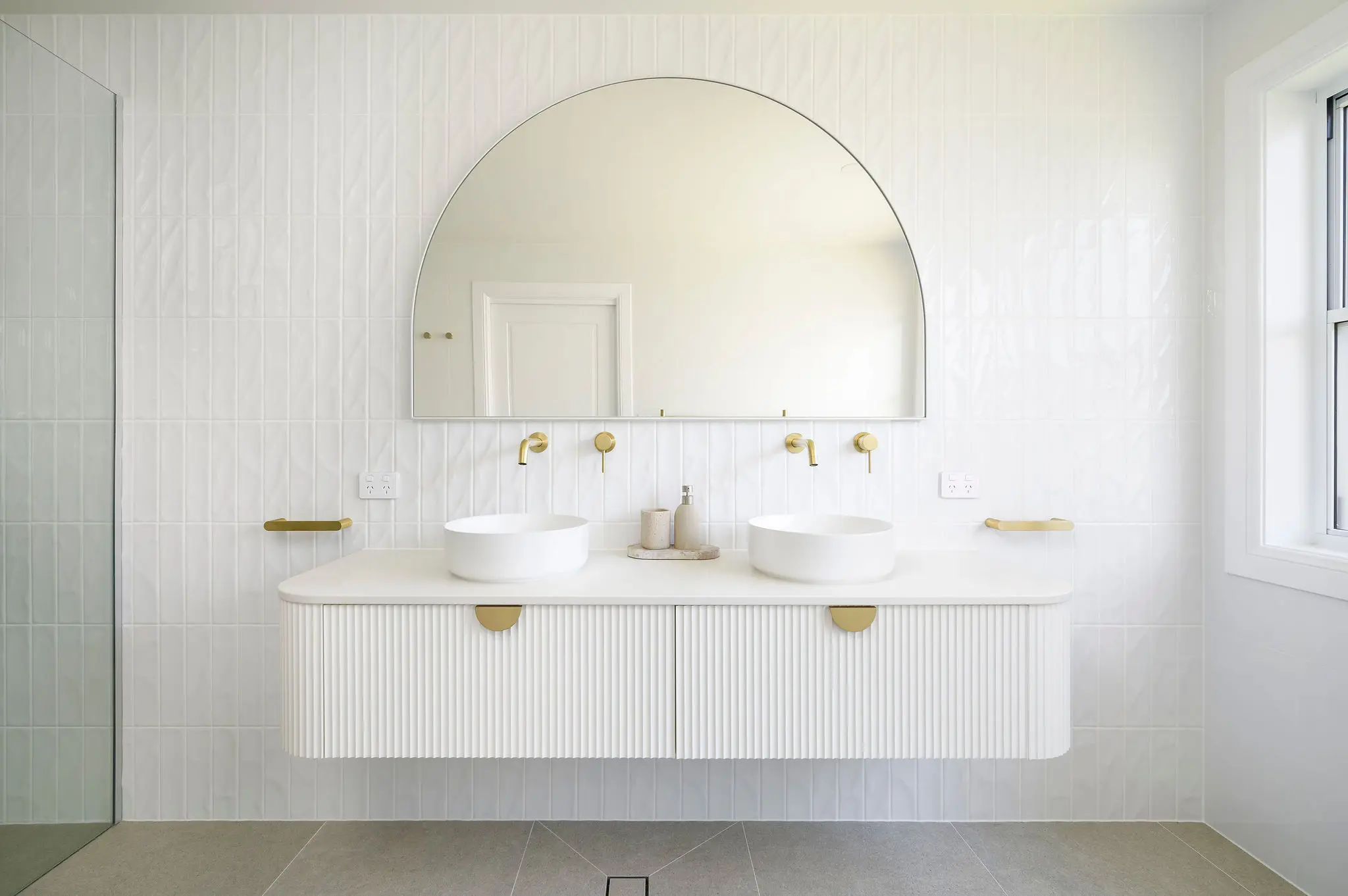
Renovating your bathroom is one of the most exciting projects you can take on in your home, but when it comes to choosing tiles, the endless options can feel overwhelming. From porcelain to natural stone, large format to mosaic, and every colour under the sun – where do you even begin?
At Ivy Built we understand that selecting the right bathroom tiles is a big decision. After all, you’ll be living with your choice for years to come, and you want to get it right the first time. The good news is that with the right approach and some key considerations, you can navigate this process with confidence and create a bathroom you’ll absolutely love.
Let’s walk through everything you need to know to make informed decisions that balance style and functionality.
This is one of the most common questions we hear, and our advice is simple: Limit yourself to 2-3 different tiles maximum. Any more than this can make even a spacious bathroom feel chaotic and overwhelming.
This is the most popular and successful strategy. You might use one tile for floors and a complementary option for walls, or use the same tile family in two different sizes. For example, 300 x 300mm tiles for floors paired with 150 x 300mm versions of the same tile for walls creates beautiful cohesion while adding visual interest.
This strategy allows for a bit more creativity while maintaining harmony. Consider a main floor tile, a primary wall tile, and a carefully chosen accent tile for shower niches or decorative borders. The key is making sure all your selections work together rather than competing for attention.
For smaller bathrooms under 5m², consider using a single tile throughout the space. This approach creates seamless flow and can actually make your room feel more spacious than it really is.
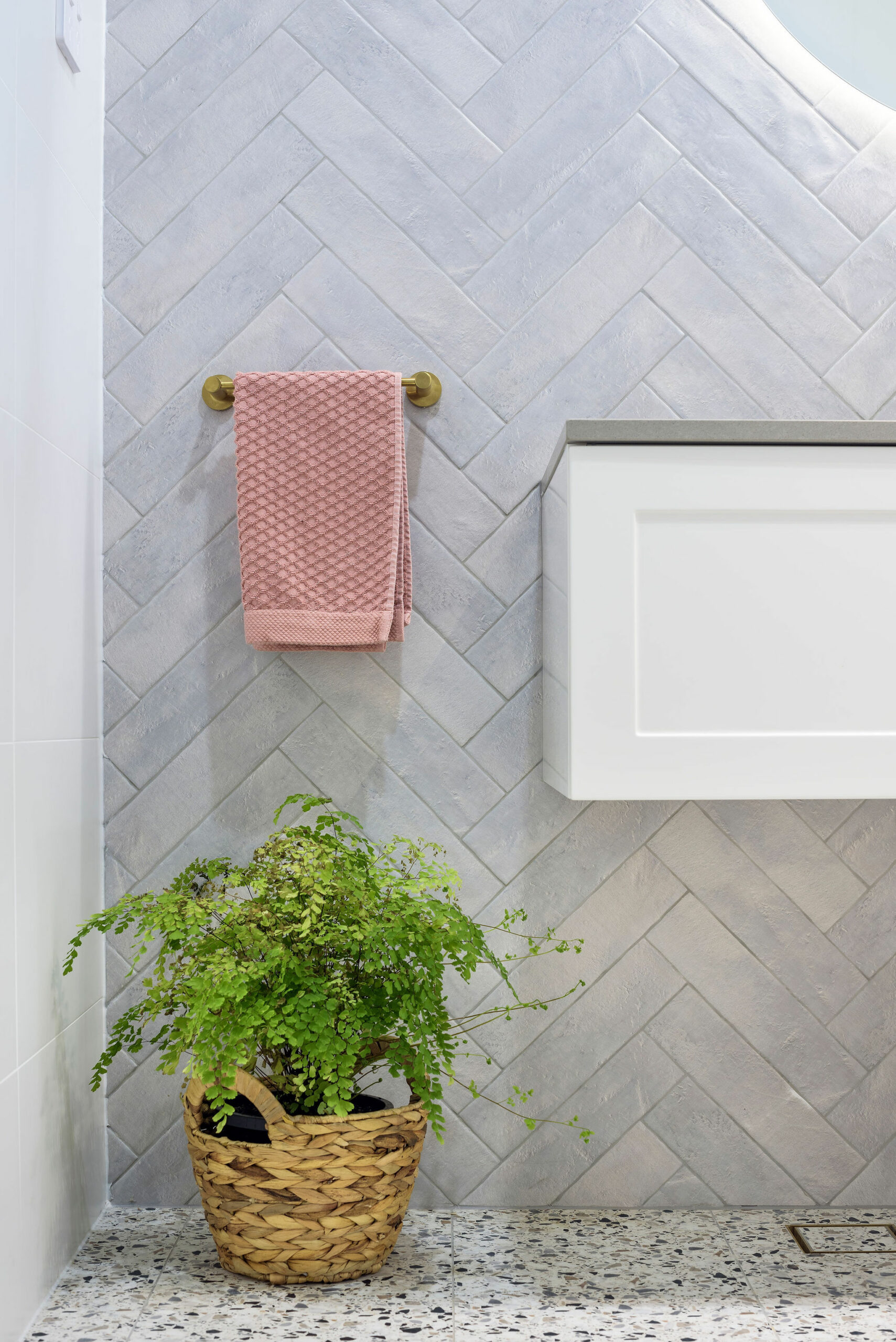
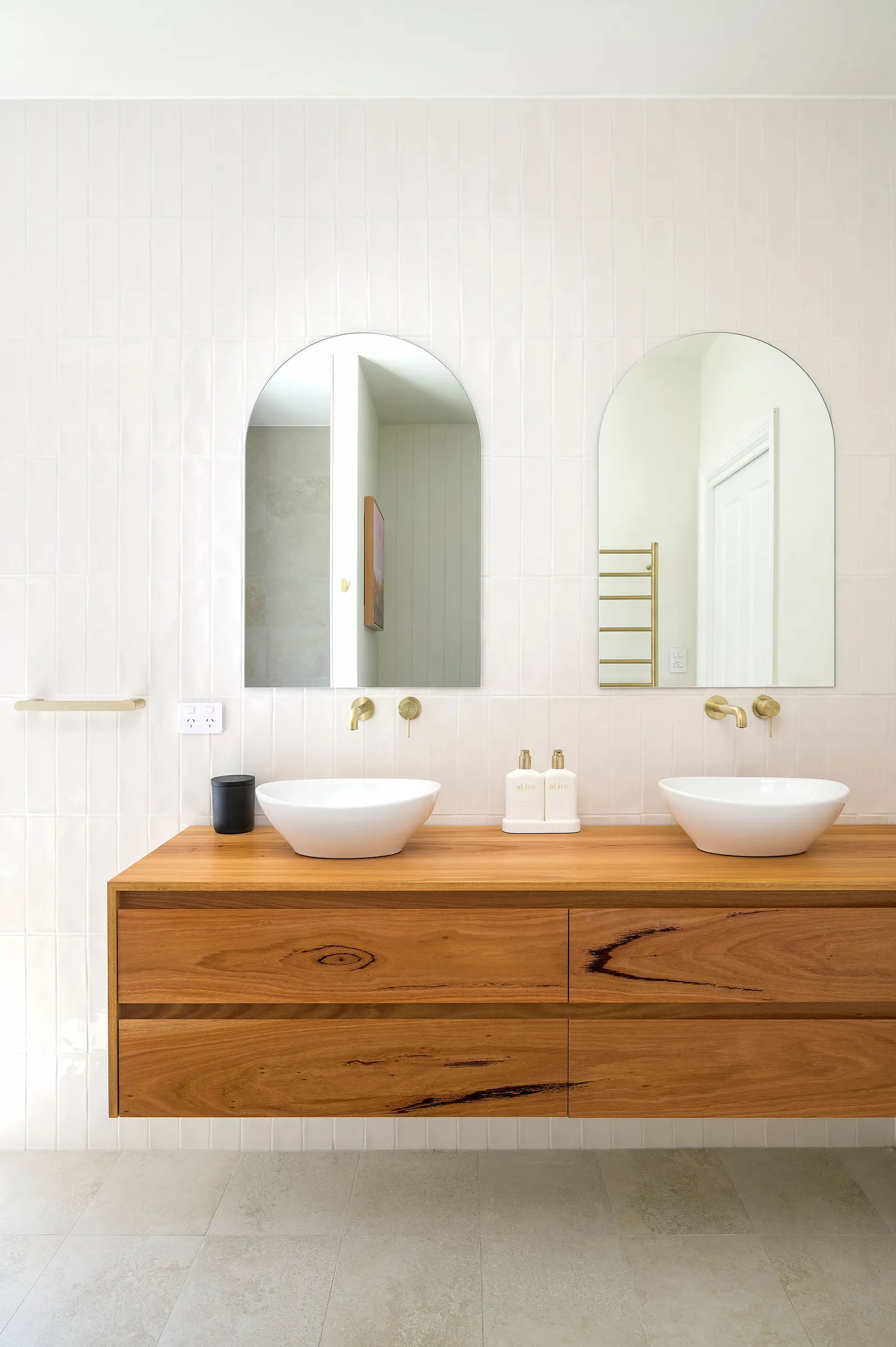
See it in action: Three different tiles working together in our Berry Park project (left), and a simple two-tile approach in our Sawyers Gully project (right).
The size of your tiles can completely transform both the look and maintenance of your bathroom. Here’s what you need to know:
Larger tiles, such as 300 x 600mm, require fewer grout lines. This means a cleaner appearance and much easier cleaning (less grout to scrub). If you have a small bathroom however, larger tiles can make the space feel cramped.
On the flip side, smaller tiles can provide better slip resistance thanks to the increased grout lines that offer additional texture underfoot. The only space consideration is that tiny mosaic tiles in a large bathroom can look busy and fragmented.

Our Windella bathroom showcases how larger tiles create a seamless, modern look with minimal grout lines.
Grout might seem like an afterthought, but it significantly impacts both the appearance and maintenance of your bathroom. Here’s what to consider:
Darker grout hides dirt and stains better, but it can make spaces feel smaller. Lighter grout creates a brighter, more open feeling but requires more frequent cleaning and maintenance.
Epoxy grout costs more upfront, but it offers superior resistance to stains and moisture compared to traditional cement-based options. For busy family bathrooms, this investment often pays for itself in reduced maintenance over time.
We can’t stress this enough – safety should never be compromised for style. Wet bathroom floors can become hazardous when covered with smooth, glossy tiles, and nobody wants to deal with slips and falls. This is especially important if you have elderly family members or young children in your home, where falls can have serious consequences.
Instead, look for tiles with textured surfaces or matte finishes that provide better grip underfoot. When you’re evaluating your options, check for a tile’s pendulum classification (these range from P0 to P5). The higher the number, the lower the risk of slipping.
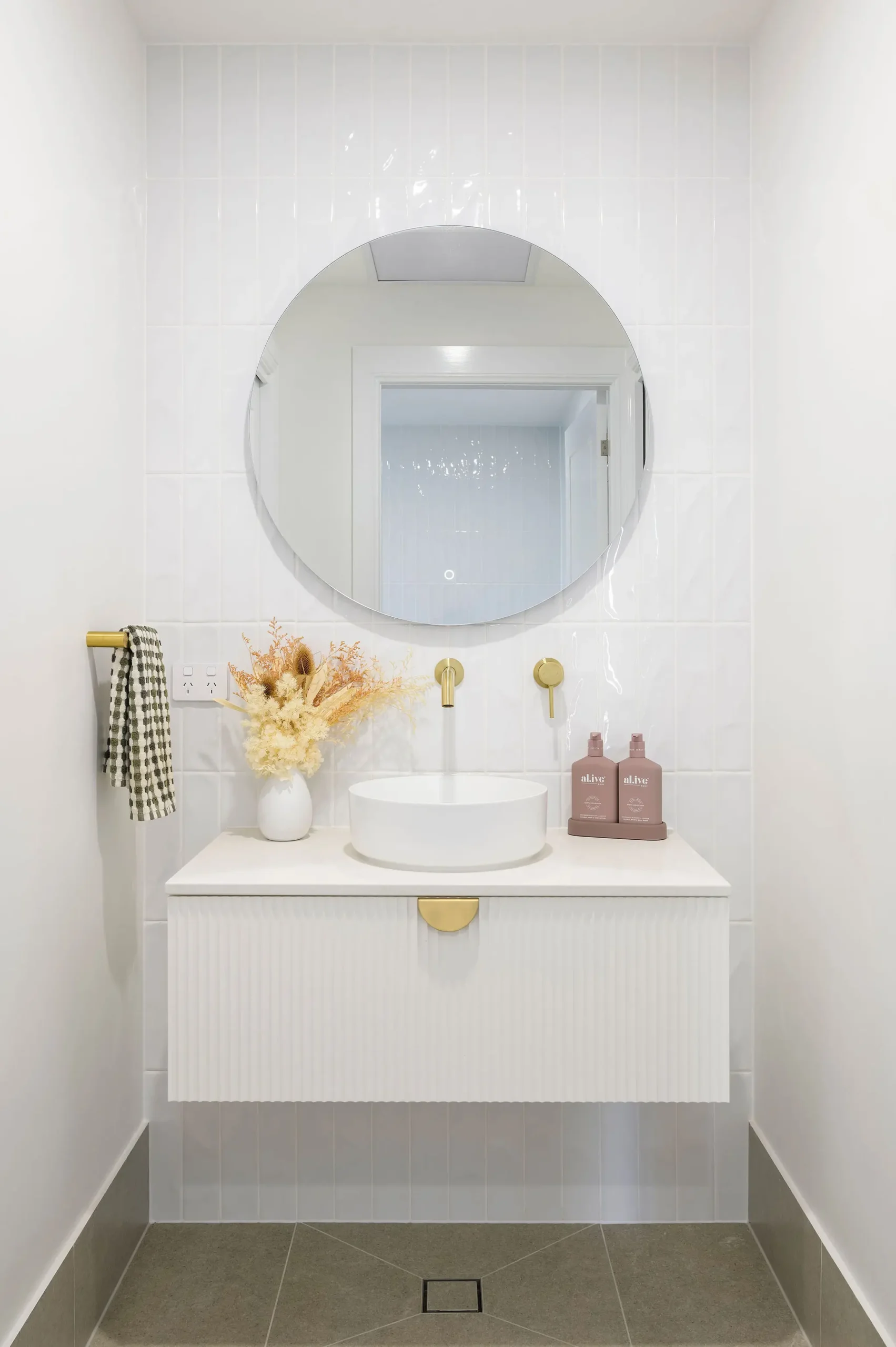
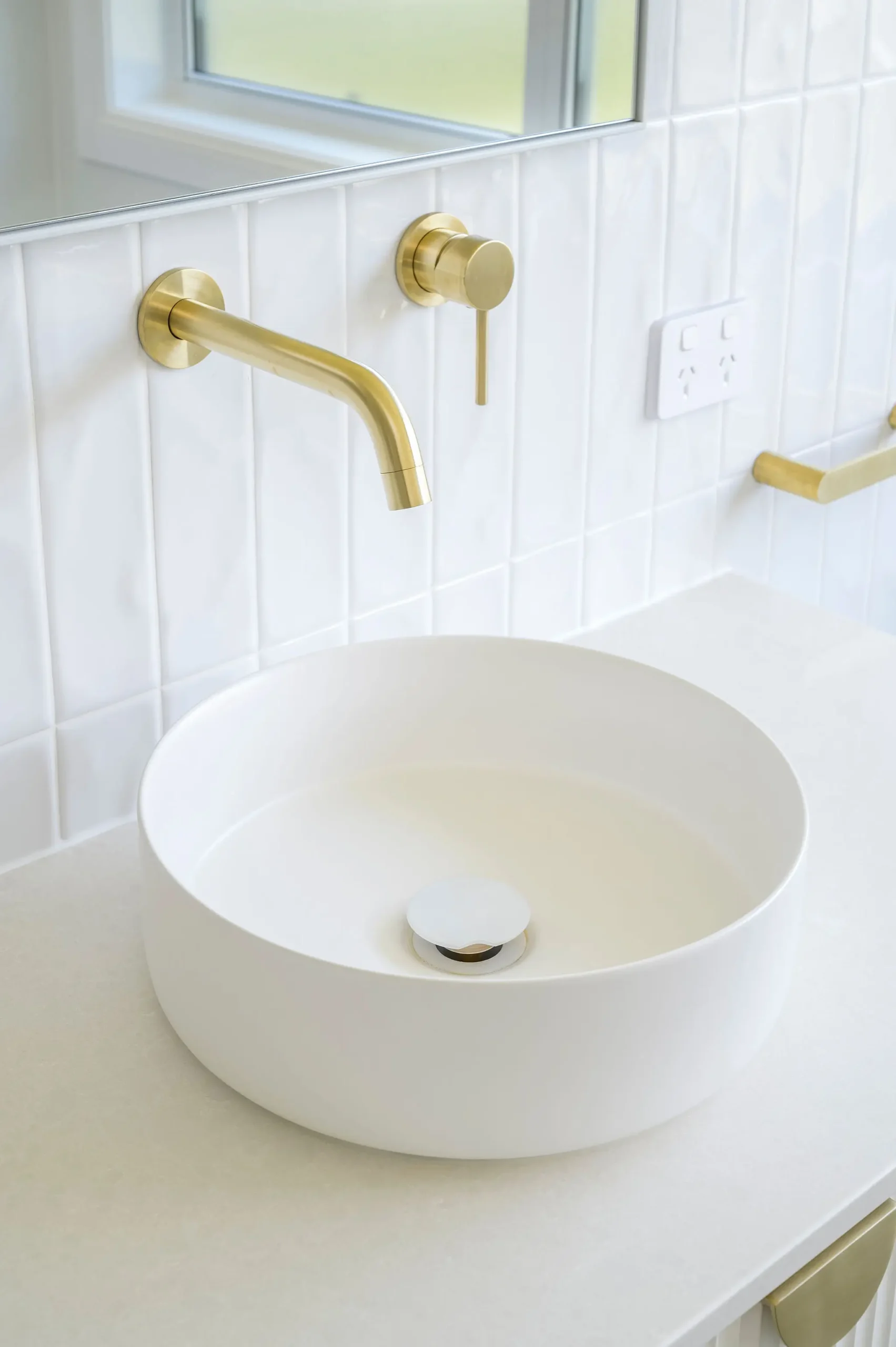
The best of both worlds – glossy tiles on the walls for a beautiful shine, with textured matte tiles underfoot for slip resistance and safety.
Your bathroom has constant exposure to water, steam, and humidity. This means not all tiles are going to work well in this space, and choosing the wrong ones can lead to costly problems down the track.
Porcelain tiles are your best friend here. They have excellent water resistance with low absorption rates, making them perfect for shower areas and other wet zones. Natural stone tiles can look absolutely stunning, but they’ll need regular sealing to prevent water damage and staining – something to keep in mind if you’re not keen on ongoing maintenance.
For areas that will see frequent water exposure, like your shower walls and floors, make sure you choose tiles specifically rated for wet areas. Look for water absorption rates below 0.5% for the best performance.
Colour selection is where many people get stuck, but understanding a few key principles will help you make the right choice for your space and lifestyle.
Your bathroom’s lighting dramatically affects how tile colours appear throughout the day. Cool fluorescent lighting can make warm colours look muddy, while warm LED lighting might make cool colours seem dull.
Always test tile samples in your actual bathroom lighting at different times of day. What looks perfect in the showroom might appear completely different in your home.
Tile colours can look different when wet. This is especially important for shower areas and floors near the bathtub. Glossy tiles reflect more light when wet, potentially changing how the colour looks.
Test your selected tiles by splashing them with water to see how they’ll look during and right after shower use.
Light colours reflect more light and create an impression of spaciousness – perfect for smaller bathrooms. They bounce available light around the room, creating a brighter, more open feeling.
Dark colours can make a space feel intimate and cozy, but they might make small bathrooms feel cramped.
Here’s something many people don’t think about: colour choice directly impacts how much cleaning you’ll be doing.
Light-coloured tiles show soap scum, hard water stains, and everyday dirt more readily. Dark tiles hide general grime well but show water spots and soap residue prominently.
Mid-tone colours, particularly grays and beiges, often provide the best balance between style and practicality. They’re forgiving of everyday wear while still offering plenty of design flexibility.
We know it’s tempting to embrace the latest colour trends, but remember that bathroom renovations are significant investments meant to last 15-20 years or more. That trendy sage green or navy blue that feels fresh today might look dated in a few years.
If you’re hesitant about committing to a bold colour, neutral colours like whites, grays, and warm beiges have proven their staying power across decades of design trends. You can then incorporate colour through towels, artwork, or accessories that you can easily change when your tastes evolve.
Selecting bathroom tiles is about balancing practical needs with your personal style. By prioritising water resistance and safety, making smart decisions about size and combinations, and carefully considering how colours will work in your specific space, you can create a bathroom that’s both beautiful and functional.
Ivy Built are the experienced custom home builder Maitland locals choose, and we can help guide you through the selection process and ensure your chosen tiles work perfectly with your overall bathroom design and budget.